
A home renovation can change much more than the way a house looks. The right improvements can make daily routines easier, create more usable space, improve comfort, and help a home adapt as your life changes.
When deciding which home renovations are worth considering, it is easy to focus on appearance or resale value. But a renovation can also be valuable because it solves a problem you deal with every day. The most worthwhile projects are often the ones that make your home work better for the people who live in it.
What Makes a Renovation Valuable to Everyday Life?
The value of a renovation depends on how well it responds to the way you use your home. A beautiful upgrade may have little impact if it does not solve an existing problem, while a practical change can improve your daily experience for years.
Before choosing a project, consider whether it can:
- Improve daily routines: Make common tasks easier and more convenient.
- Solve existing problems: Address spaces that feel crowded, outdated, or difficult to use.
- Improve comfort: Make your home more comfortable throughout the day and across different seasons.
- Add useful space: Make better use of existing areas or create room for changing needs.
- Support the future: Continue to work well as your household and lifestyle change.
The most worthwhile renovation improves how you experience your home, not simply how it looks.
Interior Renovations That Improve Everyday Living
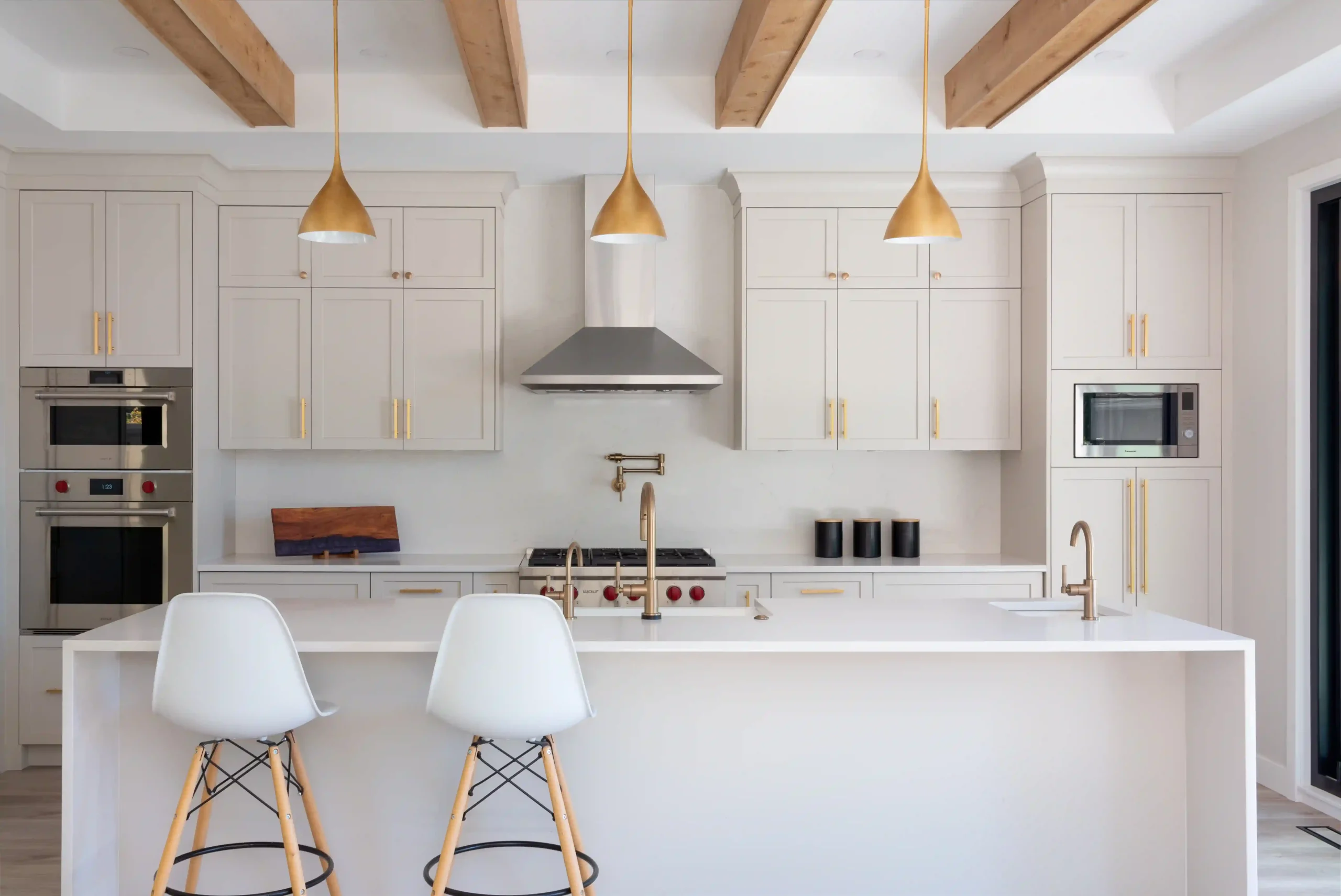
Interior improvements can directly affect how you move through, use, and enjoy your home. Sometimes a better layout, more useful storage, or a flexible space can make a greater difference than a purely cosmetic update.
Better Layout and Flow
A home can have enough space and still feel awkward if the rooms do not connect well. An improved layout can make movement easier between the kitchen, living areas, bedrooms, and other frequently used spaces.
Removing an unnecessary barrier, changing a doorway, or rethinking how rooms connect can help existing square footage work harder. The goal is to make the space you already have more useful.
More Functional Storage
Storage becomes especially valuable when it is designed around the way a household actually lives. Entryways, kitchens, bedrooms, bathrooms, and utility areas can benefit from storage that keeps everyday items organized and easy to reach.
Consider where clutter tends to collect before adding storage. Well-planned solutions can keep frequently used spaces clear without making them feel crowded.
Flexible Living Spaces
A room may serve one purpose today and another in the future. A home office could eventually become a guest room, while a recreation area might need to accommodate changing family needs.
Designing with some flexibility can make a renovation useful for longer. The goal is to avoid creating spaces that become difficult to adapt later.
Durable and Practical Finishes
Finishes influence how a home looks, but they also affect how easy it is to maintain. Materials that can handle everyday use may provide more long-term value than choices made only for appearance.
Consider how surfaces will hold up to your household, how much maintenance they require, and whether they will continue to suit your needs over time.
Exterior Improvements That Make Your Home More Functional
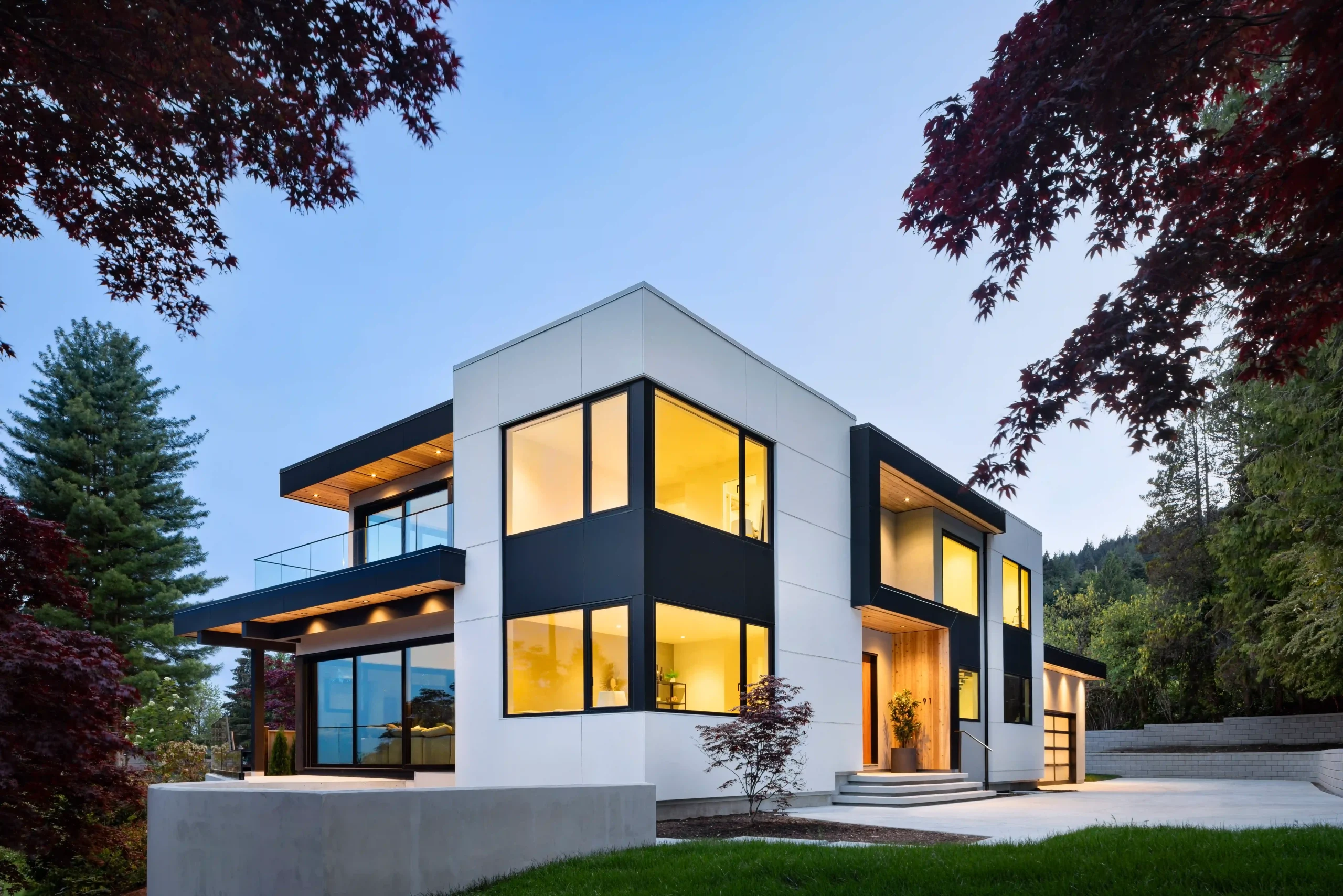
Exterior renovations can improve how you enter and use your property while making outdoor areas more connected to your home. The most useful improvements combine practical access, comfortable outdoor living, and manageable maintenance.
A More Functional Entry
The entrance is one of the most frequently used parts of a home. Improving the approach to the house, entry area, or storage around it can make everyday arrivals and departures easier.
Consider where coats, shoes, bags, and other frequently used items go. A practical entrance can reduce indoor clutter and create a smoother transition between the home and outdoors.
Better Outdoor Connections
Improving the connection between indoor and outdoor spaces can give your household more options for relaxing, entertaining, and spending time outside. Consider how people will move between the house and outdoor areas rather than treating the exterior as a separate part of the property.
Outdoor Spaces Designed for Everyday Use
Patios, decks, outdoor kitchens, and sheltered seating areas can extend your living space by providing room for outdoor meals, family gatherings, or quiet relaxation.
The size, location, access, and connection to the interior should reflect how your household plans to use the space. Consider maintenance requirements and how often the area will be used before committing to additional features. An outdoor renovation is most worthwhile when it creates a practical space your household will enjoy regularly.
Exterior Improvements That Reduce Maintenance
Some exterior upgrades can make homeownership easier by addressing areas that require frequent upkeep. Choosing practical materials and improving hard-to-maintain areas can reduce the work required over time.
The most useful improvement may not create the biggest visual change. It may simply make the property easier to care for and enjoy.
Energy and Comfort Upgrades Worth Considering
Some valuable improvements are not immediately visible. Renovations that improve energy efficiency and indoor comfort can affect how your home feels throughout the year.
Upgrades to insulation, windows, heating, cooling, and other building elements can help create a more comfortable indoor environment. They may also reduce energy use and improve how the home performs over time.
Considering these improvements alongside visible renovations helps ensure the property works well as a whole.
When More Space Adds More Everyday Value
Sometimes the best renovation gives your household more room to live. If your home no longer provides enough space for work, guests, hobbies, or family activities, reconsidering the available footprint may make sense.
A home addition can create space while allowing you to remain in a property and area you already enjoy. Alternatively, an underused basement or existing room may be redesigned to provide the function you need.
The important question is not simply how much space you can add, but what that space will allow you to do more comfortably.
Renovations That Solve Problems, Not Just Appearances
A renovation does not automatically become more valuable because it is larger or more expensive. If a project does not address a genuine need, its impact on everyday life may be limited.
Before committing to an upgrade, consider whether it improves functionality, comfort, convenience, storage, flexibility, or the way your household uses the home. A smaller project that solves a daily frustration may be more worthwhile than a major change that simply updates the appearance.
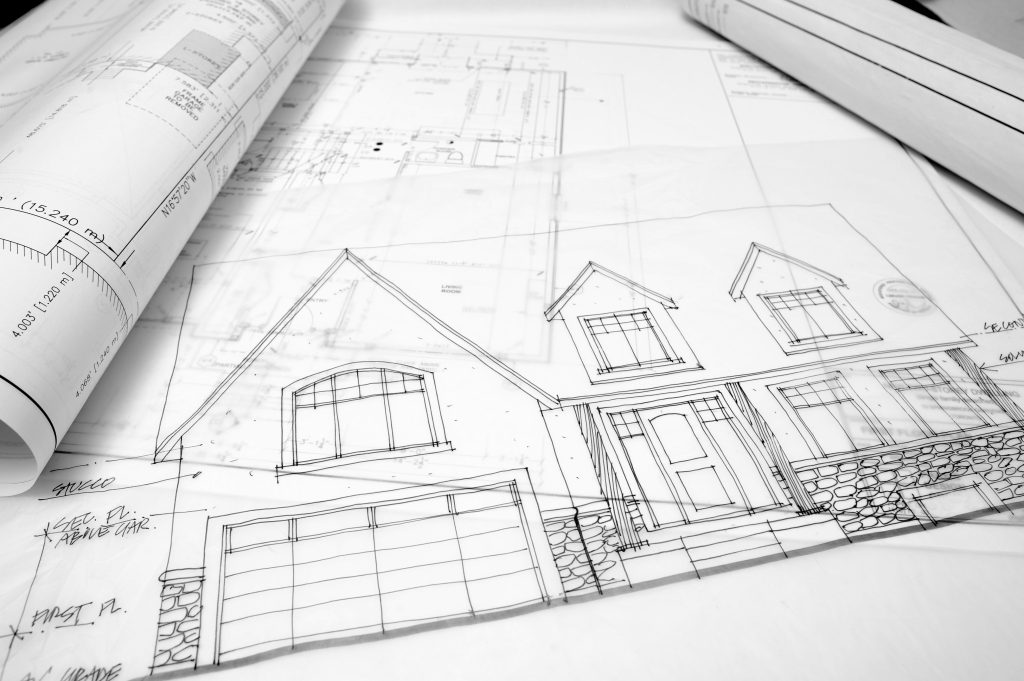
Renovation planning should begin with how you live rather than with a list of popular upgrades.
How to Prioritize Your Renovation Plans
When several parts of your home need attention, it can be difficult to decide where to begin. Start with the improvements that address the problems you experience most often.
Consider which changes will have the greatest effect on daily routines, which projects may support future needs, and which improvements fit your available budget. It is also useful to consider how different renovations may work together rather than planning each project in isolation.
A clear set of priorities can help you invest in improvements that provide practical value instead of simply adding more features.
Make Your Renovation Work Harder for You
The best home improvement projects are not necessarily the ones that make the biggest visual statement. They are the ones that make your home easier to use, more comfortable, and better suited to your lifestyle.
Whether you are improving an interior layout, upgrading the exterior, creating an outdoor living area, improving energy efficiency, or adding space, start with how you want to live in the finished home.
When renovation decisions are based on everyday needs, the results can continue to provide value long after the work is complete.
FAQs
Which home renovations add the most everyday value?
Renovations that improve functionality, comfort, storage, living space, outdoor use, and energy efficiency can provide significant everyday value. The right choice depends on your household’s needs.
Is an interior renovation always more valuable than an exterior renovation?
Not necessarily. An interior project may improve daily routines, while an exterior improvement may create more usable outdoor space or reduce maintenance. The value depends on what your home and lifestyle need most.
Can outdoor renovations add value to everyday life?
Yes. A thoughtfully designed outdoor area can provide extra room for relaxing, entertaining, and spending time with family. Its everyday value depends on how comfortably it connects to the home and how well it suits your household’s needs.
Should I renovate for resale value or everyday comfort?
If you plan to stay in the home, everyday comfort and functionality should be important considerations. Improvements that make the home work better for your household can provide value while you live there and may also benefit the property in the future.
How should I decide which renovation to do first?
Start with the problems that affect your daily life most often. Consider each project’s practical benefits, long-term usefulness, budget, and how it may work with other improvements you are considering.
Build a Home That Works Better for Everyday Life
A successful renovation should do more than make your home look different. It should help the property work better for the people who live there, whether that means creating more useful space, improving comfort, or making everyday routines easier.
Ready to make your home work better for the way you live? Engage Construction can help you plan renovation improvements around your needs and long-term goals in Vancouver, North Vancouver, and West Vancouver.