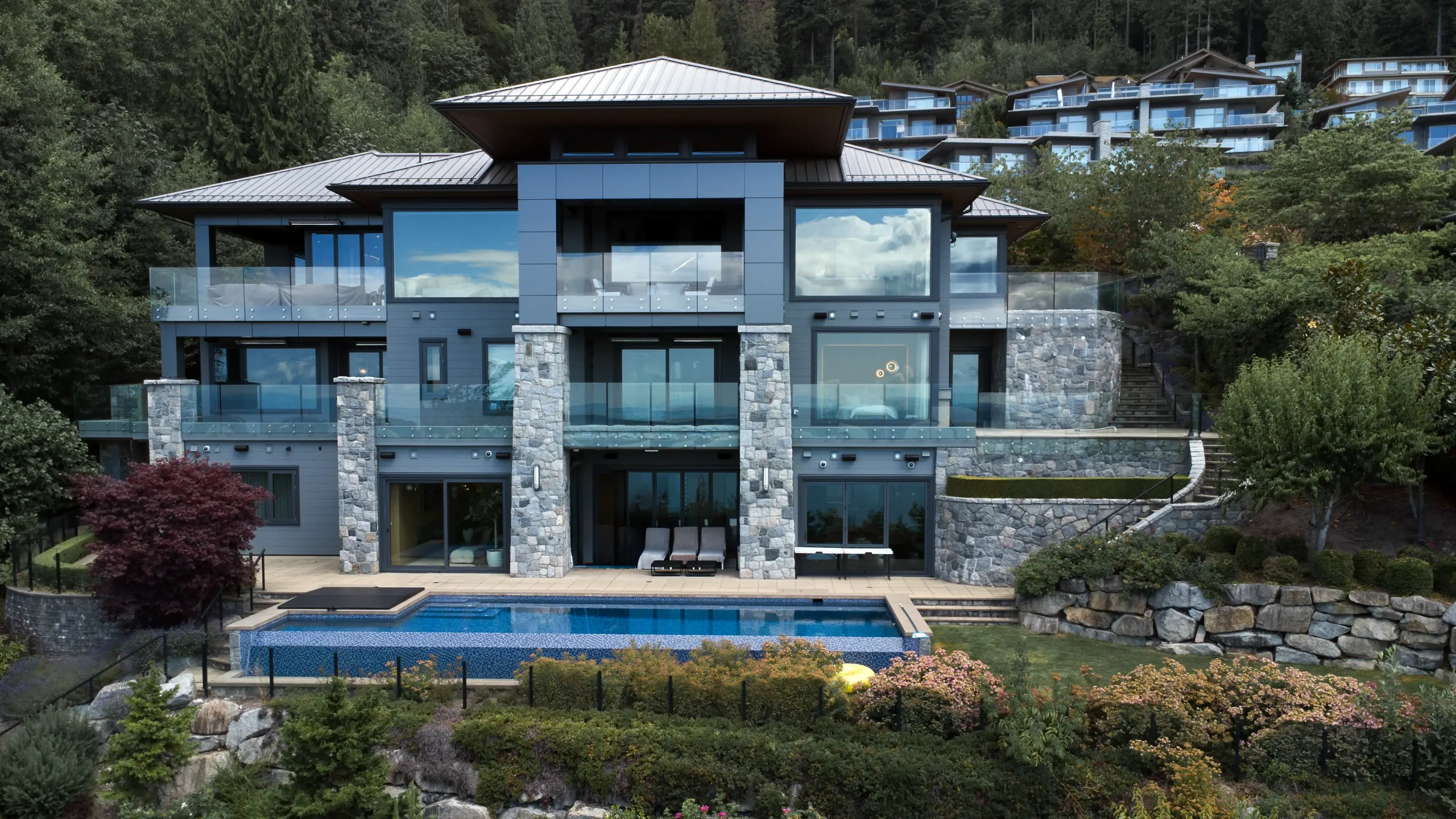
Regular building maintenance saves businesses money by preventing costly repairs, improving energy efficiency, extending the lifespan of building systems, and reducing unexpected downtime. Addressing small issues before they become major problems helps businesses lower long-term operating costs while keeping their property safe and functional.
At Construction Engage, we understand that maintaining a commercial property is just as important as building one. A proactive maintenance plan helps protect your investment, improve building performance, and avoid expensive disruptions. In this guide, we’ll explain how regular building maintenance can save your business money and why it’s a smart long-term investment.
What Is Building Maintenance?
Building maintenance is the ongoing process of inspecting, servicing, repairing, and maintaining a commercial property to keep it safe, functional, and efficient. It includes routine tasks such as maintaining HVAC systems, inspecting roofing, servicing electrical and plumbing systems, repairing structural damage, and addressing general wear and tear.
Regular building maintenance helps prevent unexpected breakdowns, extends the life of building components, and ensures the property continues to meet safety and operational standards.
Why Building Maintenance Is an Investment, Not an Expense
Many business owners view building maintenance as an ongoing expense, but it is actually an investment in the long-term performance of their property. Routine inspections and timely repairs help prevent larger issues that often require significant time and money to fix. A well-maintained building also creates a safer, more comfortable environment for employees, customers, and visitors.
Ways Regular Building Maintenance Saves Businesses Money
Routine building maintenance helps businesses avoid unexpected expenses, improve operational efficiency, and protect the long-term value of their commercial property. Here are some of the key ways it reduces costs over time.
Prevents Costly Repairs
Small problems like minor roof leaks, plumbing issues, or electrical faults can quickly turn into expensive repairs if left unattended. Regular maintenance helps identify these issues early, reducing repair costs and preventing unnecessary damage to the building.
Extends the Life of Building Systems
Commercial buildings rely on essential systems such as roofing, HVAC, plumbing, and electrical components. Routine servicing keeps these systems operating efficiently, helping them last longer and delaying the need for costly replacements.
Improves Energy Efficiency
Poorly maintained equipment often consumes more energy than necessary. Cleaning HVAC systems, sealing air leaks, maintaining insulation, and ensuring electrical systems function properly can reduce energy consumption and lower monthly utility bills.
Reduces Business Downtime
Unexpected building issues can interrupt daily operations, delay projects, or even force temporary closures. Preventive maintenance helps minimise these disruptions, allowing businesses to continue operating without unnecessary interruptions.
Protects Property Value
A well-maintained commercial property retains its appearance, functionality, and market value. Whether you plan to lease, sell, or continue using the property, regular maintenance helps preserve its long-term value.
Improves Workplace Safety
Routine maintenance helps identify hazards before they become serious safety risks. Repairing damaged flooring, faulty lighting, electrical issues, or structural concerns creates a safer environment while reducing the risk of accidents and liability claims.
Supports Regulatory Compliance
Commercial buildings must meet local building codes and safety regulations. Regular inspections and maintenance help ensure your property remains compliant, reducing the risk of penalties, delays, or costly corrective work.
Makes Budgeting More Predictable
Emergency repairs often come with unexpected expenses that can strain a business budget. A planned maintenance schedule allows businesses to anticipate maintenance costs and avoid large, unplanned repair bills.
Key Areas That Require Regular Maintenance
Every commercial property has systems that should be inspected and maintained regularly, including:
- Roofing
- HVAC systems
- Plumbing
- Electrical systems
- Windows and doors
- Exterior walls
- Parking lots and walkways
- Drainage systems
- Interior finishes
Keeping these areas in good condition helps maintain the overall performance and safety of the building.
Signs Your Commercial Building Needs Maintenance
Recognising warning signs early can help prevent more serious problems. Watch for:
- Water leaks or moisture damage
- Cracks in walls or ceilings
- Rising energy bills
- Poor heating or cooling performance
- Plumbing leaks
- Damaged roofing
- Flickering lights or electrical issues
- Worn exterior surfaces
Addressing these issues promptly can save both time and money.
Tips for Creating an Effective Building Maintenance Plan
An organised maintenance plan helps businesses stay ahead of potential issues. Consider these best practices:
- Schedule routine building inspections.
- Perform preventive maintenance throughout the year.
- Keep detailed maintenance records.
- Repair minor issues before they worsen.
- Work with experienced construction and maintenance professionals.
A proactive approach reduces unexpected repairs and supports the long-term performance of your property.
FAQs:
Why is regular building maintenance important for businesses?
Regular maintenance helps prevent costly repairs, improves safety, increases energy efficiency, and extends the lifespan of important building systems.
How often should commercial buildings be inspected?
Most commercial buildings benefit from scheduled inspections at least once or twice a year, while critical systems like HVAC and roofing may require more frequent maintenance.
Can building maintenance reduce energy costs?
Yes. Maintaining HVAC systems, insulation, lighting, and electrical equipment helps improve energy efficiency and reduce monthly utility expenses.
What are the biggest risks of delaying building maintenance?
Ignoring maintenance can lead to expensive repairs, equipment failure, safety hazards, business interruptions, and reduced property value.
What areas of a commercial building require the most maintenance?
Roofing, HVAC systems, plumbing, electrical systems, drainage, exterior surfaces, and structural components should all be inspected and maintained regularly.
Protect Your Investment with Proactive Building Maintenance
Regular building maintenance is one of the most effective ways to reduce operating costs, extend the life of your property, and avoid expensive repairs. By taking a proactive approach, businesses can improve building performance, maintain a safe environment, and protect their investment for years to come.
Keep your commercial property in top condition with Construction Engage. Contact us today to get started.