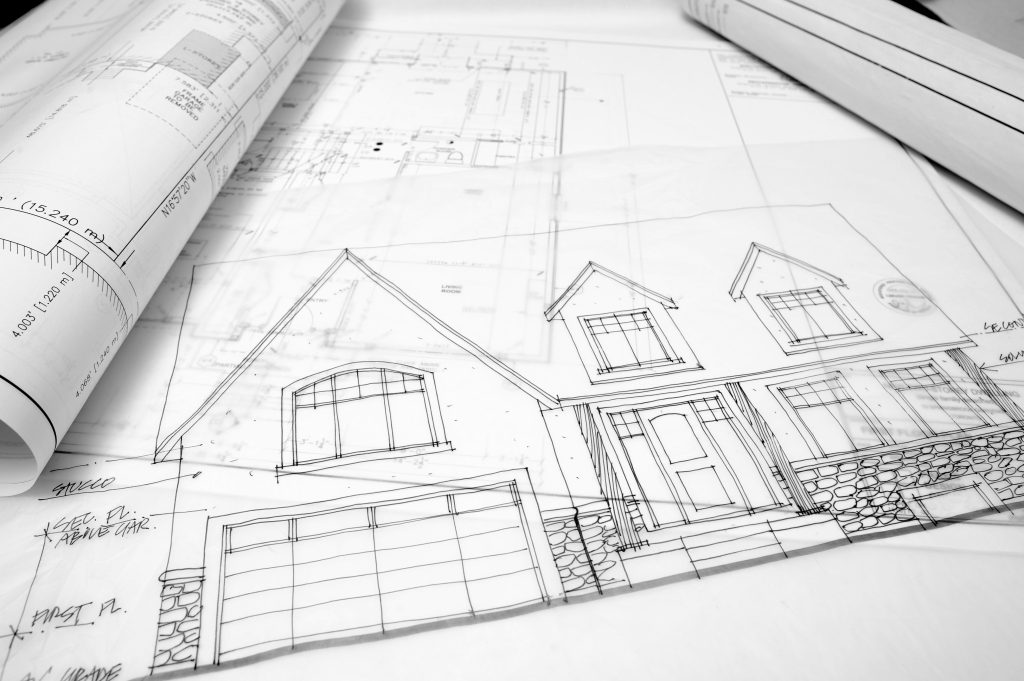

A successful commercial construction project starts with careful planning, clear communication, realistic budgeting, and experienced project management. When these elements work together, projects are more likely to be completed on time, within budget, and to a high standard of quality.
At Construction Engage, we help clients deliver commercial projects with confidence through quality craftsmanship, transparent communication, and efficient project management. In this guide, we’ll explore the key factors that contribute to a successful commercial construction project and how the right construction team can support your success.
Why Success in Commercial Construction Matters
Commercial construction projects often involve significant investments, multiple stakeholders, strict regulations, and tight deadlines. Delays, poor planning, or communication issues can quickly increase costs and impact business operations.
A successful project delivers:
- High-quality workmanship
- Completion within the agreed timeline
- Effective budget management
- Compliance with local building regulations
- Safe construction practices
- Long-term value for the property owner
When every stage is carefully managed, the finished building is functional, durable, and ready to support your business goals.
Critical Factors for Commercial Construction Success
The success of a commercial construction project depends on careful planning, experienced project management, clear communication, and quality workmanship. Focusing on these key factors helps keep the project on schedule, within budget, and built to a high standard.
Start with Clear Project Goals
Every successful commercial construction project begins with a well-defined vision.
Before construction starts, it’s important to determine:
- The building’s purpose
- Business and operational requirements
- Budget expectations
- Project timeline
- Future expansion plans
- Sustainability goals, if applicable
Having clear objectives helps the design and construction teams make informed decisions throughout the project.
Choose an Experienced Commercial Construction Partner
One of the most important decisions you’ll make is selecting the right contractor.
An experienced commercial construction company brings:
- Industry knowledge
- Proven project management systems
- Reliable subcontractor relationships
- Quality control processes
- Risk management expertise
- Transparent communication
Working with a trusted contractor helps reduce uncertainty and keeps the project moving efficiently from planning through completion.
Develop a Detailed Project Plan
Proper planning reduces surprises later in the construction process.
A comprehensive commercial construction plan should include:
- Site evaluation
- Design coordination
- Engineering requirements
- Material selection
- Construction schedule
- Budget allocation
- Risk assessment
- Procurement strategy
- Inspection milestones
The more detailed the planning phase, the smoother the construction process becomes.
Build a Realistic Budget
Budget planning involves much more than estimating construction costs.
A realistic commercial construction budget should account for:
- Design fees
- Permits and approvals
- Materials
- Labour
- Equipment
- Site preparation
- Utility connections
- Contingency funds
- Unexpected changes
Setting realistic expectations early helps minimise financial surprises throughout the project.
Prioritise Open Communication
Strong communication keeps everyone aligned.
Successful projects depend on regular communication between:
- Property owners
- Architects
- Engineers
- Project managers
- Contractors
- Subcontractors
- Suppliers
Consistent updates allow teams to resolve issues quickly before they become larger problems.
Focus on Quality from Day One
Quality should be a priority from the very beginning of any commercial construction project. It goes beyond using high-quality materials and includes skilled craftsmanship, proper installation techniques, careful inspections, compliance with building codes, and close attention to detail throughout the construction process.
Investing in quality at every stage helps create a durable, reliable building while reducing the likelihood of costly repairs and maintenance in the future.
Stay on Schedule with Effective Project Management
Time management is critical in commercial construction.
Experienced project managers help coordinate:
- Labour schedules
- Material deliveries
- Inspections
- Permit approvals
- Trade sequencing
- Daily site activities
Effective scheduling keeps work progressing while reducing unnecessary delays.
Prepare for Potential Challenges
Every construction project presents unexpected situations.
Common challenges include:
- Material shortages
- Weather delays
- Design modifications
- Labour availability
- Permit issues
- Supply chain disruptions
A proactive construction team develops contingency plans and responds quickly when challenges arise, helping minimise their impact on the overall project.
Ensure Compliance with Building Codes and Regulations
Commercial construction projects must comply with local building codes, safety regulations, and permit requirements throughout every stage of construction.
This includes meeting structural, fire safety, accessibility, environmental, and occupational health and safety standards. Staying compliant helps protect your investment, ensures a safer building, and reduces the risk of costly delays or legal issues.
Incorporate Sustainable Building Practices
Many commercial property owners are choosing sustainable construction solutions to reduce operating costs and improve long-term performance.
Examples include:
- Energy-efficient lighting
- High-performance insulation
- Sustainable building materials
- Water-saving fixtures
- Efficient HVAC systems
- Smart building technologies
Sustainable design can improve occupant comfort while lowering maintenance and utility expenses.
Conduct Thorough Quality Inspections
Regular inspections throughout construction help identify potential issues before they become expensive repairs.
Inspections may include:
- Structural work
- Electrical systems
- Plumbing
- Mechanical installations
- Roofing
- Interior finishes
- Final building systems
A structured quality assurance process helps ensure the finished project meets expectations.
Think Beyond Project Completion
A successful commercial construction project doesn’t end when the building is complete.
Long-term success includes:
- Durable construction
- Easy maintenance
- Energy efficiency
- Flexible interior spaces
- Future expansion opportunities
- Ongoing building performance
Planning for the future helps maximise the return on your investment.
Common Mistakes That Can Affect Commercial Construction Projects
Avoiding these common mistakes can improve project outcomes:
- Choosing a contractor based only on price
- Starting construction without a detailed plan
- Underestimating the project budget
- Making frequent design changes
- Poor communication among stakeholders
- Ignoring risk management
- Delaying important decisions
- Using low-quality materials
Recognising these risks early can save both time and money.
Why the Right Construction Team Makes All the Difference
Commercial construction is a collaborative process. A skilled construction partner helps coordinate every phase, maintains quality standards, manages schedules, and keeps communication transparent throughout the project.
At Construction Engage, we understand that every commercial project has unique goals. Our team works closely with clients to deliver practical construction solutions, quality workmanship, and a streamlined building experience from concept to completion.
FAQs:
What is the most important factor in a successful commercial construction project?
Careful planning, experienced project management, clear communication, and quality workmanship all work together to create a successful commercial construction project.
How can commercial construction projects stay on budget?
Developing a realistic budget, tracking costs regularly, preparing for unexpected expenses, and avoiding unnecessary design changes help keep projects financially on track.
Why is communication important during commercial construction?
Regular communication helps prevent misunderstandings, keeps stakeholders informed, and allows issues to be resolved before they delay the project.
How do experienced contractors improve project success?
Experienced contractors coordinate schedules, manage risks, oversee quality control, maintain regulatory compliance, and keep construction progressing efficiently.
Why is planning essential before construction begins?
Proper planning identifies project goals, budgets, timelines, materials, and potential risks, creating a clear roadmap for successful project delivery.
Build Your Commercial Project with Confidence
A successful commercial construction project starts with the right planning and the right team. Whether you’re developing a new commercial building, expanding your business space, or renovating an existing property, working with experienced professionals helps ensure quality, efficiency, and long-term value.
Contact Construction Engage today to learn how our experienced team can help bring your vision to life with confidence and precision.